The government is accelerating investments in farm-to-market roads and critical agricultural infrastructure, opening thousands of acres of new farmland and improving access for farmers as the country’s agriculture sector undergoes unprecedented transformation.
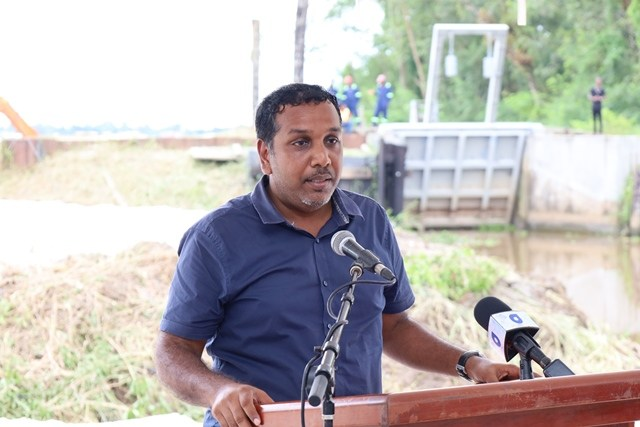
Chairman of the National Drainage and Irrigation Authority (NDIA), Lionel Wordsworth, said the extensive infrastructure programme is improving productivity, reducing transportation challenges and creating opportunities for farmers across Guyana.
He noted that the government has constructed and upgraded farm-to-market roads in several agricultural communities, including the Intermediate Savannahs, Crabwood Creek, Moleson Creek, Leguan, Wakenaam, Essequibo, and along the right bank of the Mahaicony Creek.
“Agriculture in general is undergoing a transformational phase. Right across Guyana, whether it’s drainage and irrigation services, farm-to-market access roads, the opening up of more farmlands or the production of new crops, it is happening now,” Wordsworth stated.
According to him, these investments are providing farmers with reliable access to transport crops, machinery, and agricultural inputs while supporting the expansion of food production.
Among the flagship initiatives is the largest post-independence water management project being implemented in Region Five, which will open approximately 55,000 acres of new agricultural land for cultivation.
Wordsworth explained that the government’s infrastructure drive extends beyond roads to include major drainage and irrigation works designed to support agricultural resilience and improve productivity.
Addressing public discussion surrounding the access road to the Blackbelly sheep breeding facility at Ellis in Region Five, he clarified that the 3.6-kilometre road was awarded through the National Procurement and Tender Administration Board following a competitive procurement process as part of the NDIA’s 2023 budget programme.
He explained that the road was rehabilitated to provide access to the Blackbelly Sheep Project, serving a wide range of agricultural stakeholders, including sugar producers, rice farmers, cattle farmers and other large-scale agricultural operators who depend on the route for the transportation of produce, equipment and labour.