- stresses the need for structured plans to ensure long-term benefits, sustainability
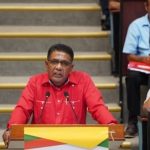
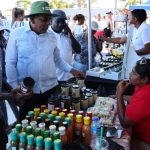
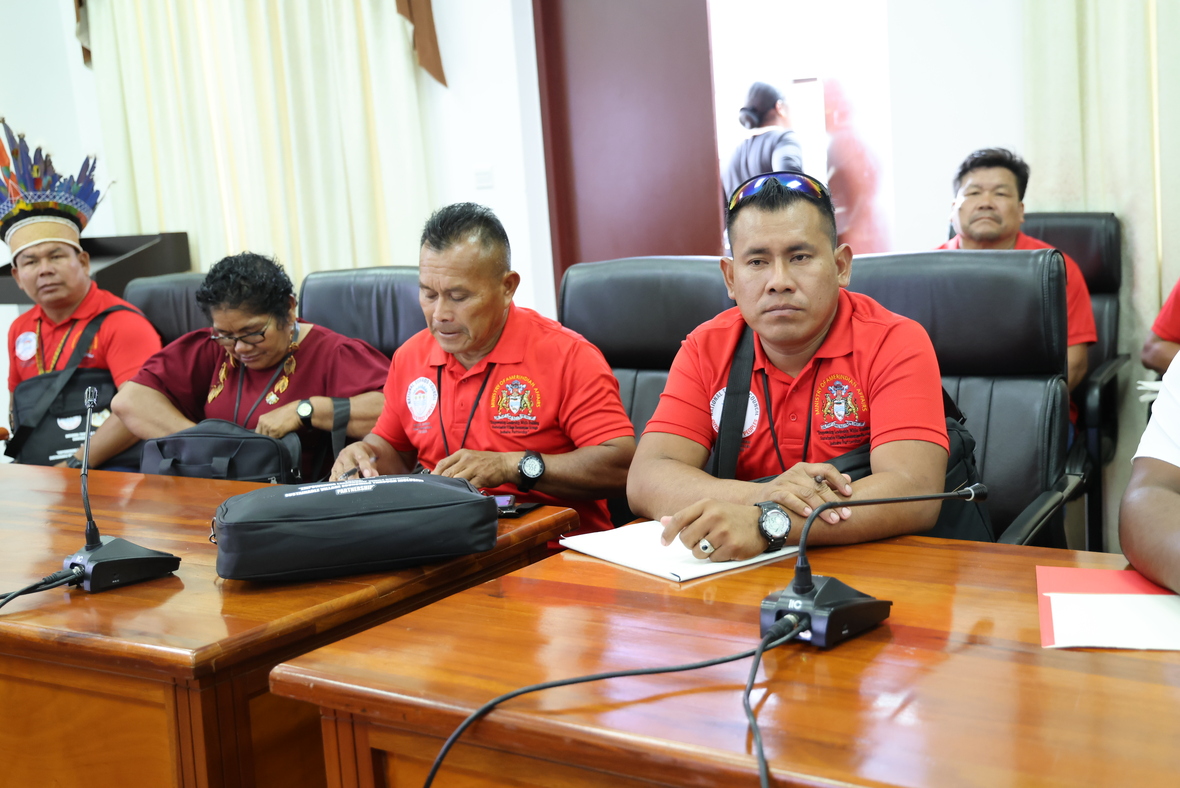
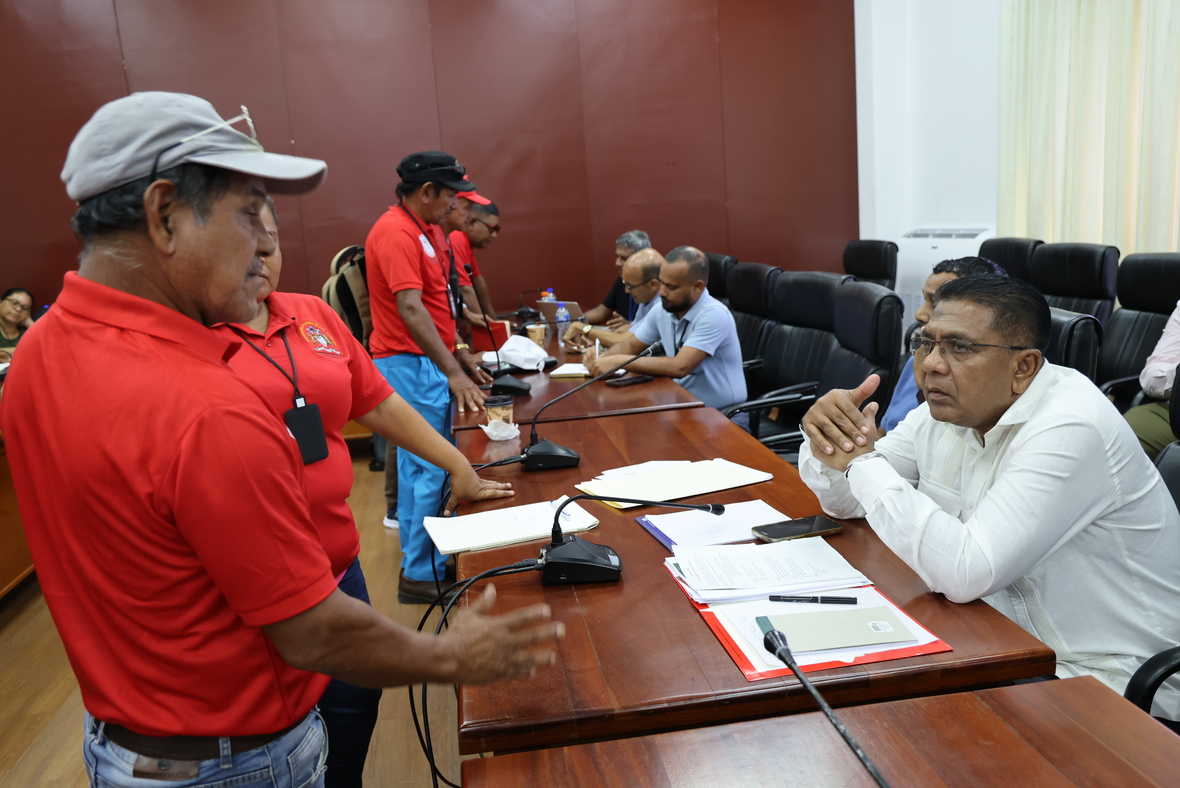
On Thursday, during an interactive session on the sidelines of the National Toshaos Council (NTC) Conference at the Arthur Chung Conference Centre, Agriculture Minister, Hon. Zulfikar Mustapha, engaged village leaders on their development priorities and the implementation of targeted projects within their communities.
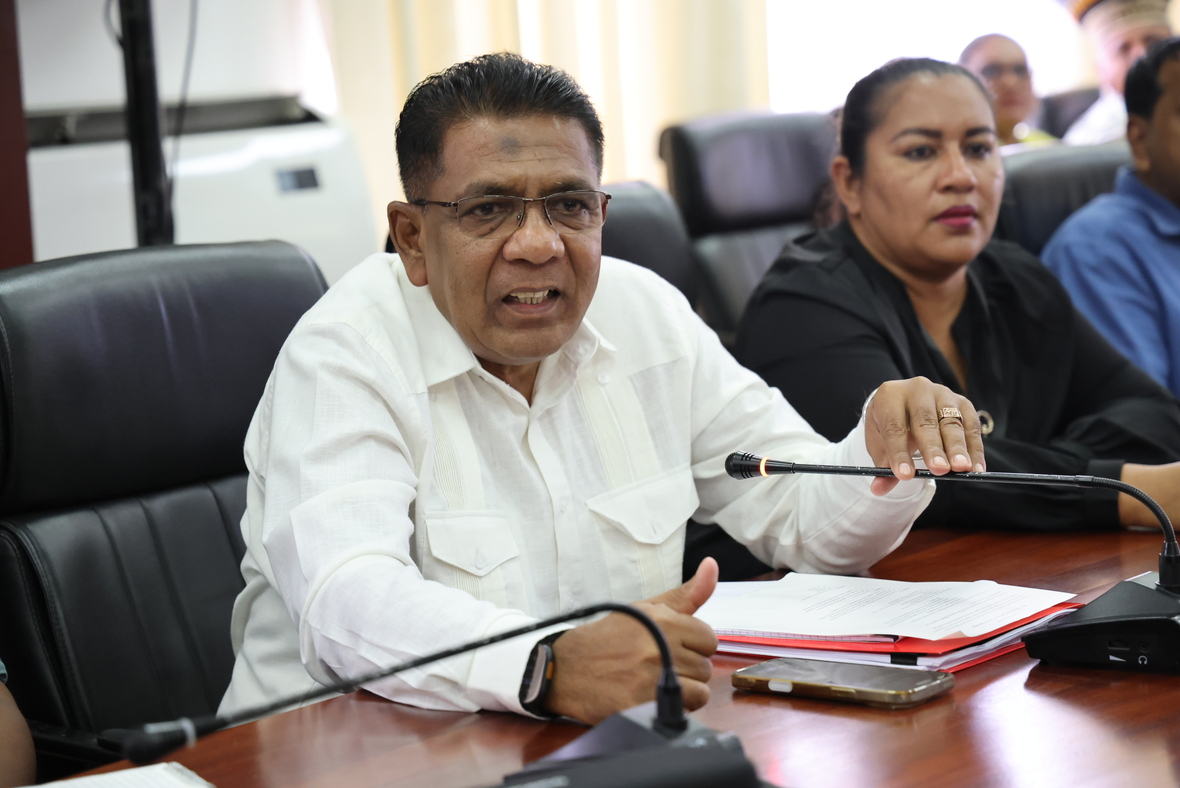
Minister Mustapha said the Government’s approach is centred on developing proper plans for each community through village profiles, which will guide the implementation of sustainable programmes based on the specific needs and potential of each village.
“At the end of this conference, we will have all of the village profiles developed so that we can move forward,” Minister Mustapha said, while stressing the importance of having structured plans to ensure that investments deliver long-term benefits.
During the engagement, the Minister highlighted several areas of support, including coconut production, livestock development, aquaculture, honey production and crop cultivation.
On coconut production, Minister Mustapha said the Ministry is prepared to support communities interested in establishing large-scale coconut plots by providing planting materials. He explained that both 18-month and three-year varieties are available and encouraged villages to dedicate land for commercial production.
“We want this to be done on a large scale. So, you can earmark and clear land in the villages, and we can supply the planting materials for that plot to be used for coconut only. So, in another 18 months you can get a lot of coconuts from that and earn a lot,” he said.
He also outlined opportunities in livestock development, noting that support will extend beyond poultry production to include cattle, sheep and swine. For Region Nine, he said the ministry will provide five excavators to assist with community development and agricultural activities.
“For livestock, we are looking at cattle, sheep, swine in addition to the poultry programme we have going. We are giving the five excavators,” Minister Mustapha said.
In the area of aquaculture, Minister Mustapha said the ministry, through the National Drainage and Irrigation Authority (NDIA) and the Fisheries Department, will work to identify communities that require additional ponds to expand production.
“In terms of aquaculture, we already have a number of ponds in these villages. We will work with the National Drainage and Irrigation Authority and the Fisheries Department to identify the villages that need ponds, so we can intensify this project. We’ll supply the fingerlings,” he explained.
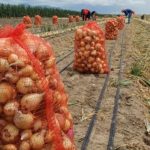
Minister Mustapha also highlighted the potential for Indigenous communities to contribute significantly to national food production, particularly through onion cultivation in Region Nine. He said the Government is targeting the cultivation of between 200 and 250 acres of onions by the end of the year to move Guyana closer to self-sufficiency.
“We know that Region Nine will be the region to cultivate most of our onions. By the end of this year, we want to cultivate between 200 and 250 acres of onions so that we can become self-sufficient. Any village that wants to get involved in the cultivation of onions, we can work along with you,” he said.
The Minister also encouraged villages to pursue honey production, noting that through the GLDA, training, beekeeping equipment, hives and personal protective equipment will be provided.
“For the crops, we spoke about coconuts. We spoke about honey. So, if you want to do honey, it has to be something that we can do in all of the villages. We will train you and give you the hives and the PPE. We have the three Cuban specialists working with us on that. We can send them in to train you,” Minister Mustapha said.