The Ministry of Agriculture will develop detailed agricultural profiles for villages in Regions Seven and Eight as part of a new strategy to transform hinterland farming from subsistence-based activities to large-scale commercial production.
Minister of Agriculture Zulfikar Mustapha announced consultations with village leaders and farmers on Day Four of the National Toshaos Council (NTC) Conference at the Arthur Chung Conference Centre (ACCC) on Thursday.
He explained that the profiles will identify each community’s agricultural strengths and guide government investment and technical support.
“We have specialists who will do training in agriculture. We can look at that. That is a very, very important opportunity in this area, that we can train our people,” he explained.
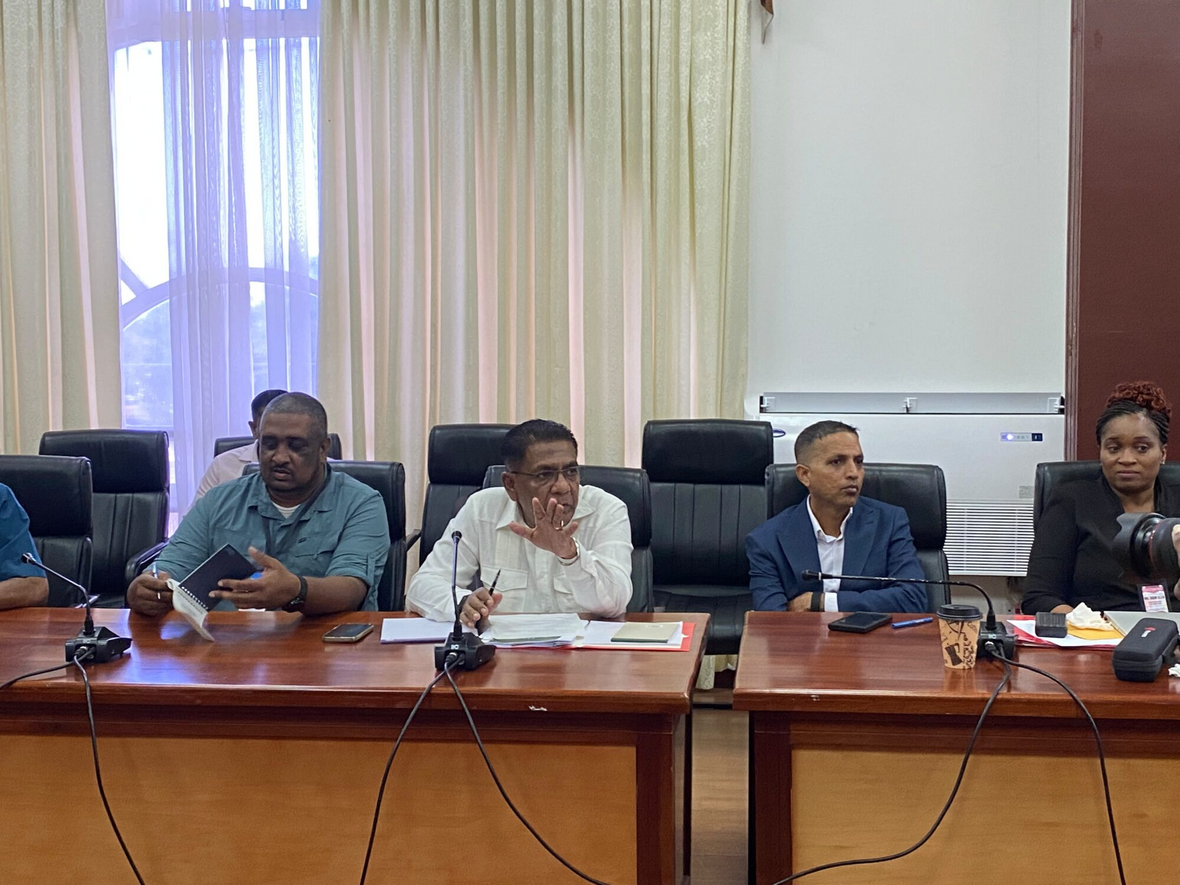
The minister said the ministry officials and extension officers will work directly with communities to prepare the village profiles and ensure projects are implemented based on each village’s priorities.
“We will have our officers come in here. We will employ extension officers that will work with you and work along with you,” Minister Mustapha said.
Minister Mustapha said the initiative to help villages move beyond subsistence farming by focusing on a few priority projects that can be developed on a commercial scale.
“We have to move away from the subsistence way of doing things… We have to do it on a large scale,” the agriculture minister said.
He urged communities to identify their top three agricultural priorities.
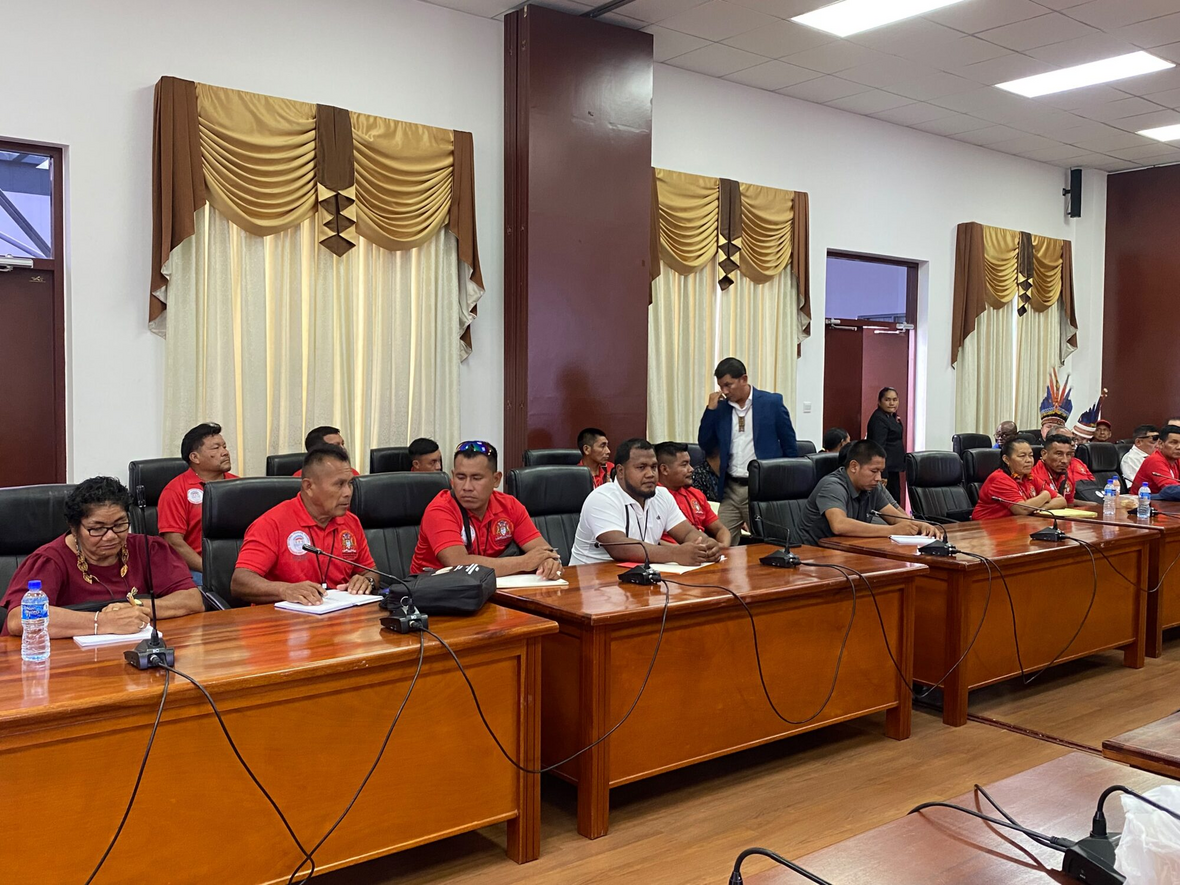
Minister Mustapha noted that concentrating resources on key projects will produce better results than pursuing numerous small initiatives.
The profiles will guide investments in sectors such as aquaculture, coconut cultivation, cassava, livestock and honey production, while allowing the ministry to coordinate support from agencies including the Guyana Livestock Development Authority (GLDA), the National Agricultural Research and Extension Institute (NAREI) and the National Drainage and Irrigation Authority (NDIA).