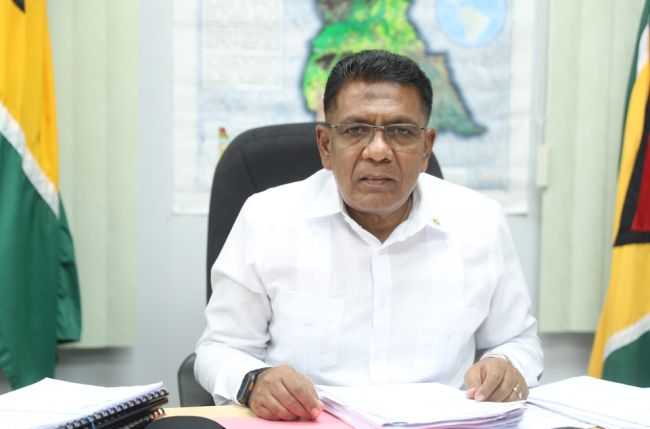
Minister of Agriculture Zulfikar Mustapha says the government’s Cage Aquaculture Project is transforming livelihoods and strengthening village economies across Guyana, particularly in hinterland and indigenous communities.
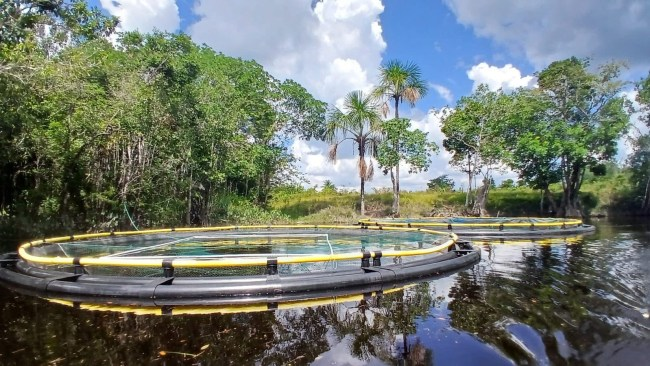
Speaking during an interview with the Department of Public Information (DPI) on Monday, Minister Mustapha said close to 53 cages are currently operating nationwide under the Ministry of Agriculture’s cage culture initiative.
According to the agriculture minister, many of the cages are strategically located in remote and indigenous communities to create sustainable income opportunities while improving food security.
“We have almost 53 cages around the country, and most of these are in indigenous and hinterland communities. This initiative is complementing the village economy in a significant way,” Minister Mustapha stated.
He explained that a single cage can generate approximately $8 million during a production cycle, while villages operating multiple cages are seeing even greater economic benefits.
“One cage can make approximately $8 million within a period, so in some villages where there are three or four cages, this can boost the local economy by $24 million to $25 million. This is helping communities tremendously by supplementing their income,” he noted.
Several communities are already benefitting from the initiative, including Mashabo, Capoey, Mainstay, Nappi, St. Cuthbert’s Mission, Orealla and Siparuta, along with several communities in Region Ten.
Minister Mustapha said residents have embraced the initiative, noting that it not only creates additional sources of revenue for families but also enhances food security within communities.
He added that the fish produced in the cages are also being used to supplement residents’ diet, ensuring improved access to fresh protein in hinterland and rural areas.
The Cage Culture Initiative forms part of the government’s wider efforts to expand aquaculture production, strengthen rural economies and create sustainable livelihood opportunities across Guyana.