More than $7.4 billion has been invested in agriculture in Guyana’s hinterland over the past five years, positioning villages to move beyond subsistence farming and build sustainable, income-generating economies.
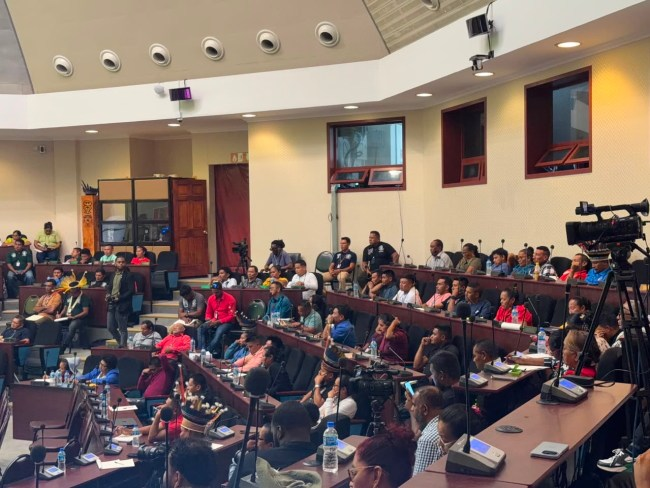
Minister of Agriculture Zulfikar Mustapha made the announcement on Wednesday while addressing Indigenous leaders on Day Three of the National Toshaos Council (NTC) Conference 2026 at the Arthur Chung Conference Centre.
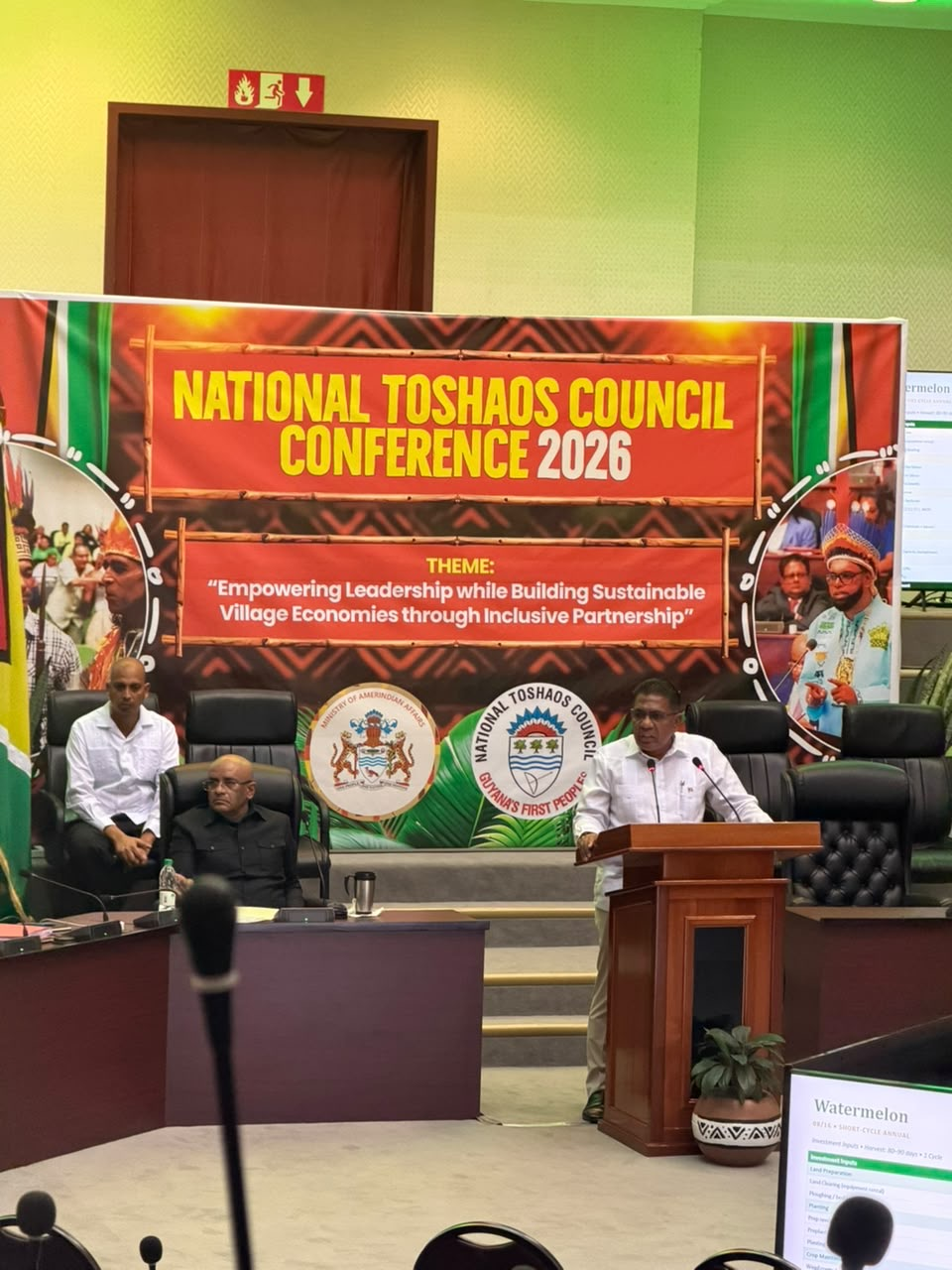
The investment has strengthened crop cultivation, livestock production, fisheries, aquaculture, agro-processing and agricultural support services, creating new opportunities for economic growth in hinterland communities.
“Over the last few years we have seen a massive investment in all areas in the agriculture sector in the hinterland community. Approximately $7.4 billion directly from the Ministry of Agriculture has been expended,” Minister Mustapha said.
He noted that government agencies have supplied planting materials, expanded technical support and introduced commercially viable crops such as coconuts, while fisheries and livestock programmes have been rolled out in villages across the country.
More than $393M has been invested in fisheries and aquaculture, with fish cages now operating in communities including Capoey, Mashabo, and Mainstay.
According to the minister, the initiative is proving highly profitable.
“One cage can earn approximately $8 million every crop in the tambaqui that we are doing,” he said, encouraging more communities to embrace aquaculture as a viable source of revenue.
To ensure villages benefit from long-term economic growth, the Ministry of Agriculture has developed commercial investment models based on each region’s comparative advantage.
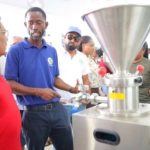
These models focus on poultry, cattle, swine, sheep, honey production, aquaculture, coconuts, crop cultivation and agro-processing.
Minister Mustapha said every proposal must be economically sustainable, with communities identifying markets before expanding production.
“Production must always follow market demand. Communities must know who will buy, what quantity is needed, what quality standard must be met, and what packaging is required,” he stated.
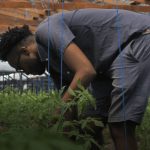
The minister also called for greater participation by women and young people in agriculture through modern technologies such as shade houses, hydroponics and climate-smart farming systems.
He assured village leaders that the government will continue providing technical training, planting materials, livestock and fisheries support, drainage and irrigation works, agro-processing assistance and market access to help communities build resilient and profitable agricultural enterprises.
He said the government’s objective is to ensure agriculture becomes a profitable business that creates jobs, raises household incomes and builds lasting economic prosperity across Guyana’s hinterland communities.