With an initial flock of 1,000 blackbelly sheep imported from Barbados, the programme has recorded extraordinary growth since its launch in 2022, expanding to more than 5,000 animals, creating new income opportunities that would strengthen Guyana’s livestock industry.
Chief Executive Officer (CEO) of the Guyana Livestock Development Authority (GLDA), Dr Dwight Walrond, described the initiative as transformative, noting that it has reversed years of limited genetic improvement in the country’s sheep industry.

“It has allowed farmers to have access to fresh genetics, and for any production system to be successful, you need quality genetics supported by a robust production and animal health programme,” Dr Walrond stated.
President Dr Mohamed Irfaan Ali launched the initiative in partnership with Barbados to improve the country’s sheep genetics, increase meat production, and create sustainable livelihoods for livestock farmers.
Dr Walrond explained that after importing the initial 1,000 purebred Barbados Blackbelly sheep, the animals were carefully acclimatised before entering the breeding programme to ensure long-term success.
The expansion has directly benefitted more than 450 established sheep farmers across Guyana, many of whom are now entering the third generation of breeding under the initiative.
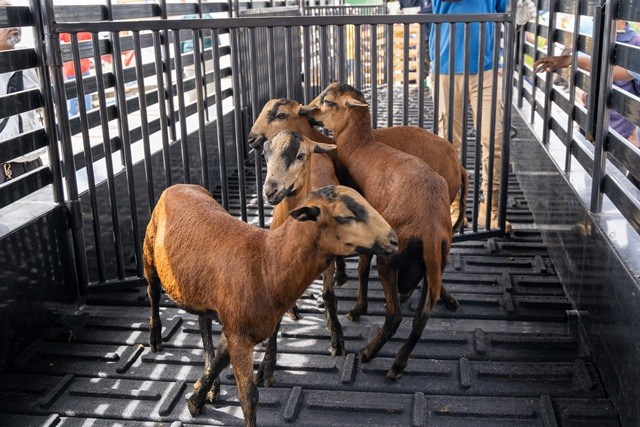
The programme is also advancing to a new phase, with the GLDA introducing superior meat breeds such as the Dorper to cross with the Barbados Blackbelly sheep.
The objective is to combine the blackbelly’s renowned adaptability, disease resistance and prolific breeding characteristics with the heavier meat yield of specialised meat breeds.
According to Dr Walrond, the results have been encouraging, with farmers recording stronger birth weights, faster daily weight gains and higher productivity by combining improved genetics with better pasture management and animal husbandry practices.
The initiative has also become a catalyst for women’s economic empowerment.
Dr Walrond highlighted that several women have become full-time livestock farmers through the programme, with two female breeders recognised among Guyana’s top-performing sheep farmers in 2025.