- strengthening flood protection for thousands of residents, farmers in Region Three
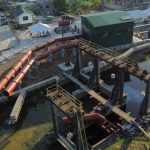
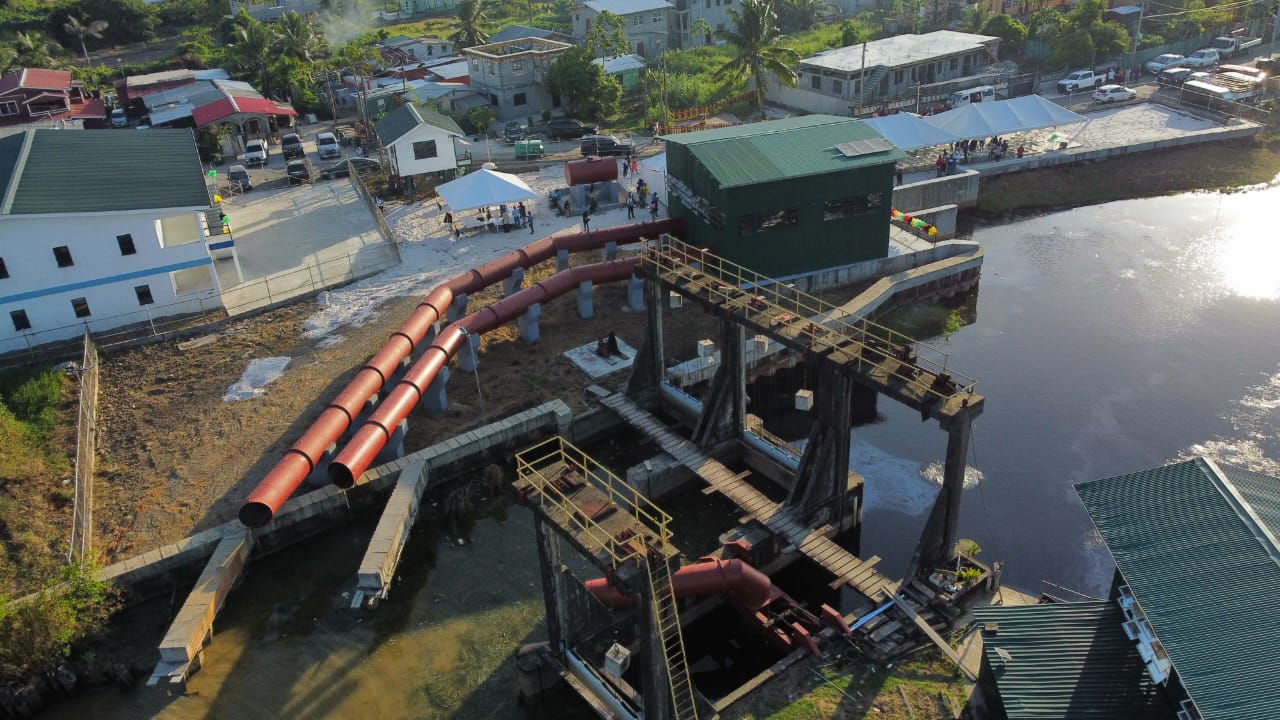
Farmers and residents of Canal No. 1 Polder and surrounding communities in Region Three are now better equipped to withstand the effects of intense and prolonged rainfall following the commissioning of a modern drainage pump station valued at approximately $650 million.
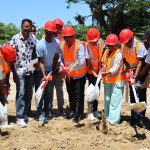
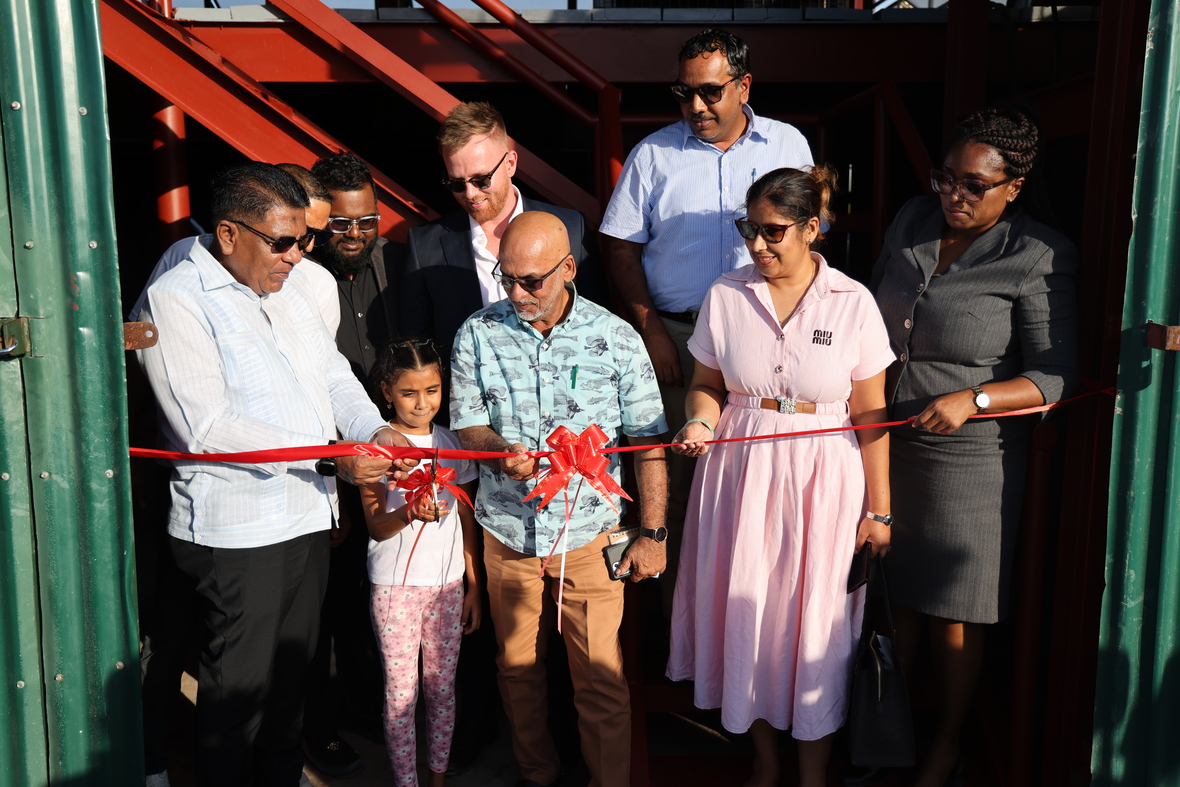
The facility was officially commissioned on Wednesday, October 21, 2026, by Minister of Agriculture, Hon. Zulfikar Mustapha, and represents another major investment by the Government of Guyana to strengthen flood protection, safeguard agricultural production, and improve the livelihoods of thousands of residents in the region.
Equipped with four drainage pumps, the station has a combined pumping capacity of 580 cubic feet per second (cusecs) and will provide improved drainage services to approximately 5,000 acres of agricultural and residential lands. The facility is expected to significantly enhance the area’s capacity to discharge excess water during periods of heavy rainfall, reducing the risk of flooding and the associated losses to crops, livestock, and property.
Delivering the feature address, Minister Mustapha said the commissioning marked another important milestone in the Government’s ongoing efforts to modernize Guyana’s drainage and irrigation infrastructure while addressing the longstanding challenges faced by farming communities.
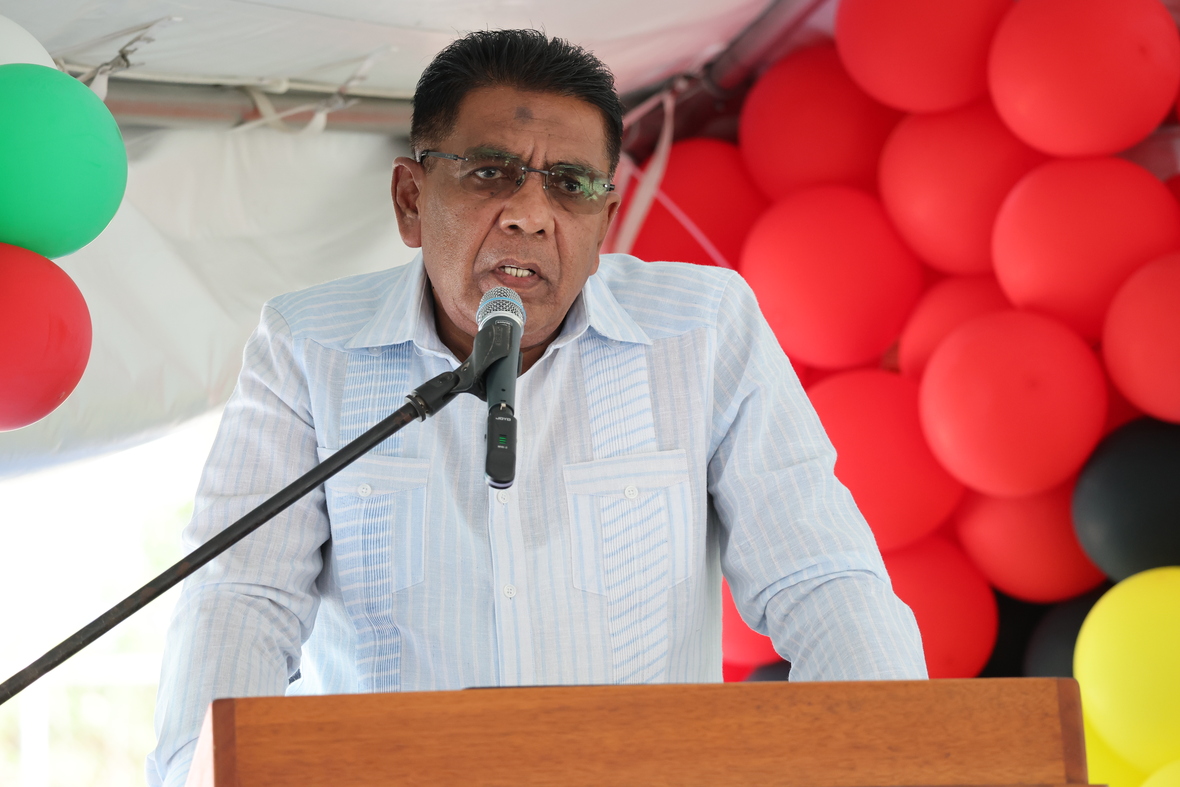
“Every farmer and resident of this region understands the anxiety that comes with prolonged rainfall, knowing that within hours, crops, livestock, and homes can be put at risk. That is why today’s commissioning is about much more than turning on a pump. It is about strengthening resilience, protecting livelihoods, and safeguarding communities through this $650 million investment,” Minister Mustapha stated.
The agriculture minister noted that the facility represents a critical investment in the region’s agricultural and economic development, particularly given the increasing frequency of extreme weather events and the vulnerability of low-lying coastal communities to flooding.
He explained that the Government is moving aggressively to reduce dependence on traditional gravity drainage systems by investing in modern mechanical drainage infrastructure capable of operating more effectively during periods of intense rainfall and high tides.
“This pump station represents a major strategic upgrade in our drainage and irrigation infrastructure and serves as a critical barrier against economic loss. We are no longer relying heavily on gravity drainage alone, a system that can easily become overwhelmed by increasingly unpredictable weather patterns,” he explained.
Minister Mustapha further noted that the project forms part of a comprehensive national programme being implemented under the leadership of President Dr. Mohamed Irfaan Ali to transform Guyana’s drainage and irrigation network, strengthen climate resilience, and create the necessary conditions for sustained agricultural expansion.
He disclosed that approximately $3 billion is expected to be expended over the next year on additional transformational drainage and irrigation infrastructure projects, reinforcing the Government’s commitment to protecting vulnerable communities and supporting increased agricultural production.
Highlighting the scale of the Government’s investment, Minister Mustapha said that $81.9 billion, representing approximately 72.3 per cent of the Ministry of Agriculture’s $113.2 billion budget for 2026, has been allocated to drainage and irrigation development.
He noted that this represents an approximately 810 per cent increase over the $9 billion allocated to drainage and irrigation in 2020.
The Minister also pointed to the National Drainage and Irrigation Authority’s (NDIA) ongoing investments in modern machinery and equipment, which have significantly improved the Authority’s capacity to maintain drainage canals, waterways, and other critical infrastructure.
According to Minister Mustapha, these investments are essential to ensuring that drainage systems remain functional and efficient while providing farmers with greater confidence to expand cultivation and increase productivity.
He reiterated that agricultural development and food security cannot be sustained without reliable infrastructure, noting that the Government’s investment programme is designed to protect existing production while opening new opportunities for growth.
“President Ali has consistently emphasized that food security begins with production, and production depends on reliable infrastructure. That is why our government continues to make record investments in drainage and irrigation, ensuring our farmers have the tools and support they need to expand production and compete successfully,” Minister Mustapha stated.
Meanwhile, Minister within the Ministry of Agriculture, Hon. Vikash Ramkissoon, said the commissioning of the facility was another demonstration of the Government’s commitment to delivering on its promises to citizens and improving the quality of life in communities across Guyana.
He noted that the Administration continues to prioritize investments that directly address the needs of residents, particularly in areas that have historically experienced severe flooding.
Minister Ramkissoon recalled that shortly after assuming responsibilities within the Ministry, Region Three experienced intense rainfall that highlighted the importance of strengthening drainage infrastructure and improving coordination among the relevant authorities.
He commended the work being undertaken by the NDIA in collaboration with the Regional Democratic Council and Neighbourhood Democratic Councils, noting that their collective efforts have resulted in significant improvements to drainage systems throughout the region.
“Everything that the President has committed to the region and the country, he has been delivering. Every discussion is about how we can improve the lives of the people,” Minister Ramkissoon said.
Providing a technical overview of the project, Chairman of the National Drainage and Irrigation Authority, Mr. Lionel Wordsworth, explained that Canal No. 1 Polder has historically been highly vulnerable to flooding, particularly during periods of prolonged rainfall.
He said the construction of the pump station was therefore identified as a priority intervention under a broader drainage improvement programme developed for the Canals Polder area and Region Three.
According to Mr. Wordsworth, the facility is one of six pump stations constructed in the region over the past six years, reflecting the Government’s sustained investment in improving drainage capacity and reducing flood risks.
“This is a very vulnerable area to flooding when it rains. We crafted a programme for this development. This pump station is one of six that we have built in the region over the last six years. This project is part of a wider development plan for improving drainage in the Canals Polder and the region at large,” the NDIA Chairman explained.
Mr. Wordsworth disclosed that the project was awarded through a competitive bidding process and commenced on June 1, 2022, with final expenditure amounting to approximately $630 million.
He explained that the development involved the installation of two additional pumps to complement the existing drainage capacity, bringing the station’s total pumping capacity to 580 cusecs.
The NDIA Chairman also addressed the challenges encountered during the implementation of the project, noting that construction was initially delayed because an existing community centre, which also housed a library, was located within the project area.
He explained that the Authority worked closely with the community to facilitate the construction of a new building to accommodate the community centre and library at a cost of approximately $60 million, ensuring that residents continued to benefit from these important social facilities.